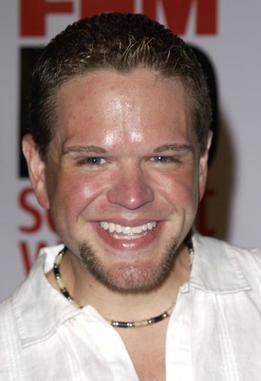
Ron Lester's Final Battle: Remembering a Life Cut Short by Liver & Kidney Failure at 45
The entertainment world mourned a profound loss on June 17, 2016, with the passing of actor Ron Lester. Best known for his unforgettable portrayal of the lovable, oversized offensive guard Billy Bob in the iconic 1999 high school football film *Varsity Blues*, Lester succumbed to complications from liver and kidney failure at the age of 45. His untimely death in Dallas, surrounded by his loving fiancée Jennifer Worland, family, and friends, marked the end of a life lived vibrantly, albeit with significant health challenges.
Lester's journey was one of remarkable highs and poignant struggles, leaving an indelible mark on Hollywood and the hearts of fans. His agent, Dave Bradley, confirmed his peaceful passing, noting that the actor was not in pain during his final moments. This tragic conclusion came after a prolonged battle with organ issues, a fight that Ron Lester had publicly acknowledged and bravely faced.
The Final Chapter: A Battle with Organ Failure
Ron Lester's health had been a concern for some time, with the actor himself revealing his hospitalization for liver and kidney problems in late 2015. Despite a hopeful tweet in November of that year, where he optimistically shared that he was "starting to heal," his condition deteriorated. The subsequent months saw him in and out of the hospital, eventually being moved to hospice care in Dallas, a stark reality check on the severity of his illness.
Liver and kidney failure are critical conditions where these vital organs cease to function adequately, leading to a dangerous accumulation of toxins in the body. The liver, essential for detoxification and metabolism, and the kidneys, crucial for filtering waste and maintaining fluid balance, are interdependent. When both fail, the body's systems rapidly break down. While the specific underlying causes in Ron Lester's case were complex, his long history with extreme obesity and the subsequent gastric bypass surgery undoubtedly played a role in the chronic stress placed upon his internal organs. This highlights a crucial, often overlooked aspect of metabolic health: the ripple effect of significant weight fluctuations and medical interventions on the body's long-term well-being.
From "Billy Bob" to Beyond: Ron Lester's Memorable Roles
Before his health struggles became paramount, Ron Lester carved out a unique niche in Hollywood, predominantly as the "funny fat guy." His breakout role as Billy Bob in *Varsity Blues* was a masterclass in comedic timing and heartfelt performance. Sporting a cowboy hat and jersey number 69, Billy Bob was the emotional anchor of the fictional West Canaan Coyotes, renowned for his memorable ability to "puke and rally" during a night of drunken revelry – a scene that became instantly iconic. His natural charm and ability to evoke both laughter and empathy made him a fan favorite alongside stars like James Van Der Beek, Jon Voight, and the late Paul Walker.
Lester's talent extended beyond *Varsity Blues*. He famously spoofed his character in the 2001 parody *Not Another Teen Movie*, playing Reggie Ray, another offensive lineman with the same jersey number, delighting audiences with his self-aware humor. His filmography also included an early appearance in the Nickelodeon classic *Good Burger* alongside Kenan Thompson. On television, he graced the small screen with a recurring role as Michael "Sugar Daddy" Bernardino in The WB's *Popular* and a memorable turn as a bully in the beloved cult favorite *Freaks and Geeks*. Each role, no matter how brief, showcased Lester's undeniable presence and ability to steal a scene. To truly appreciate his impact on screen, one might reflect on
Ron Lester, Varsity Blues Star, Dead at 45: Remembering Billy Bob, and the warmth his performances brought.
The Weight of Fame: Gastric Bypass and its Aftermath
At the height of his career, Ron Lester weighed over 500 pounds, a physical state that defined many of his acting roles. In December 2000, driven by a desire for better health, he underwent gastric bypass surgery. This wasn't a simple procedure; Lester reportedly flatlined on the operating table, a harrowing experience that underscored the risks involved. The surgery was successful in terms of weight loss, dramatically transforming his physique as he shed an astonishing 349 pounds within two years.
However, this profound physical transformation came with a significant professional cost. Lester himself later reflected on this pivotal decision, famously stating in a Grantland interview, "Did I throw away my career to be skinny? Yes. I wouldn’t do [the surgery] again. I would much rather have died happy, rich, and kept my status and gone out on top.” This quote starkly illustrates the complex identity crisis actors can face when their defining characteristic changes. No longer fitting the "funny fat guy" archetype, his acting opportunities significantly decreased.
Years later, Lester offered a contrasting perspective, acknowledging, "The difference is that I am no longer the ‘funny fat guy.’ I sold my ‘niche’ for my chance to live. … I would never trade the life I have now with… the endless opportunities I have in store for me, with my old life." This evolution in his self-perception highlights the internal struggle between career success and personal well-being. It raises important questions about body image, Hollywood's often rigid casting molds, and the long-term impact of life-altering medical decisions on one's path. The story of
Ron Lester's Weight Loss: Did It Cost His Acting Career? offers a deeper dive into this challenging aspect of his life.
Beyond the Screen: A Man of Many Talents and Unfinished Dreams
Despite the career slowdown and escalating health issues, Ron Lester remained a man of ambition and diverse talents. Described as a businessman, entrepreneur, comedian, producer, director, and writer, his creative spirit was boundless. At the time of his passing, he was actively pursuing funding for a movie he was deeply passionate about, titled *Racing Legacy*. This project represented his aspirations beyond acting, showcasing his desire to contribute to storytelling from behind the camera as well.
His agent, Dave Bradley, noted that Lester was living in Dallas but frequently traveled to Los Angeles to be with his fiancée, Jennifer Worland. This balance of personal life and professional ambition, all while contending with significant health challenges, painted a picture of a resilient and determined individual. Ron Lester's journey reminds us that while an actor's public persona might be defined by certain roles, their private lives are often rich with personal battles, evolving perspectives, and unfulfilled dreams. He fought for his health, sought to redefine his career, and maintained relationships that brought him comfort and joy, embodying a spirit of perseverance until his very last breath.
Conclusion
Ron Lester's death at 45 from liver and kidney failure serves as a poignant reminder of the fragility of life and the often-unseen struggles behind the glamour of Hollywood. He was an actor who brought genuine warmth, humor, and relatability to his roles, most notably as Billy Bob in *Varsity Blues*. His decision to undergo gastric bypass surgery, a quest for health that profoundly altered his career trajectory, encapsulates a complex narrative about body image, identity, and the relentless demands of the entertainment industry. While his life was cut tragically short, Ron Lester's legacy endures through his memorable performances and the important conversations his story provokes about health, career, and personal fulfillment. He may be gone, but the spirit of Billy Bob, and the man who brought him to life, will not be forgotten.